
Secrets, Containers and Breakables in World of Anterra
Anterra hides loot in containers and behind breakable objects. Learn how to interact with the world, sneak into crypts and caves, and find secrets.
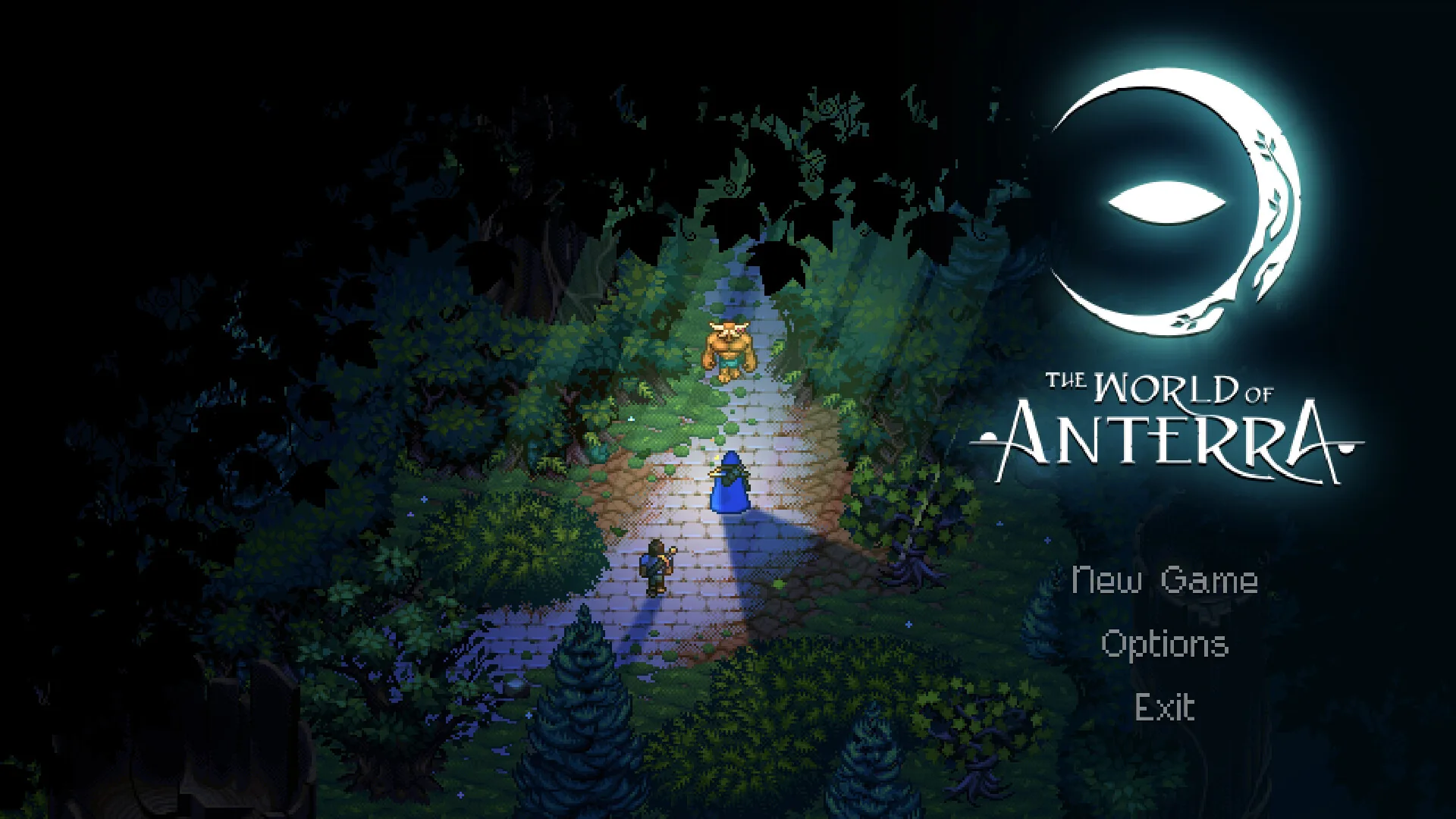
How Secrets Are Hidden While Exploring Anterra
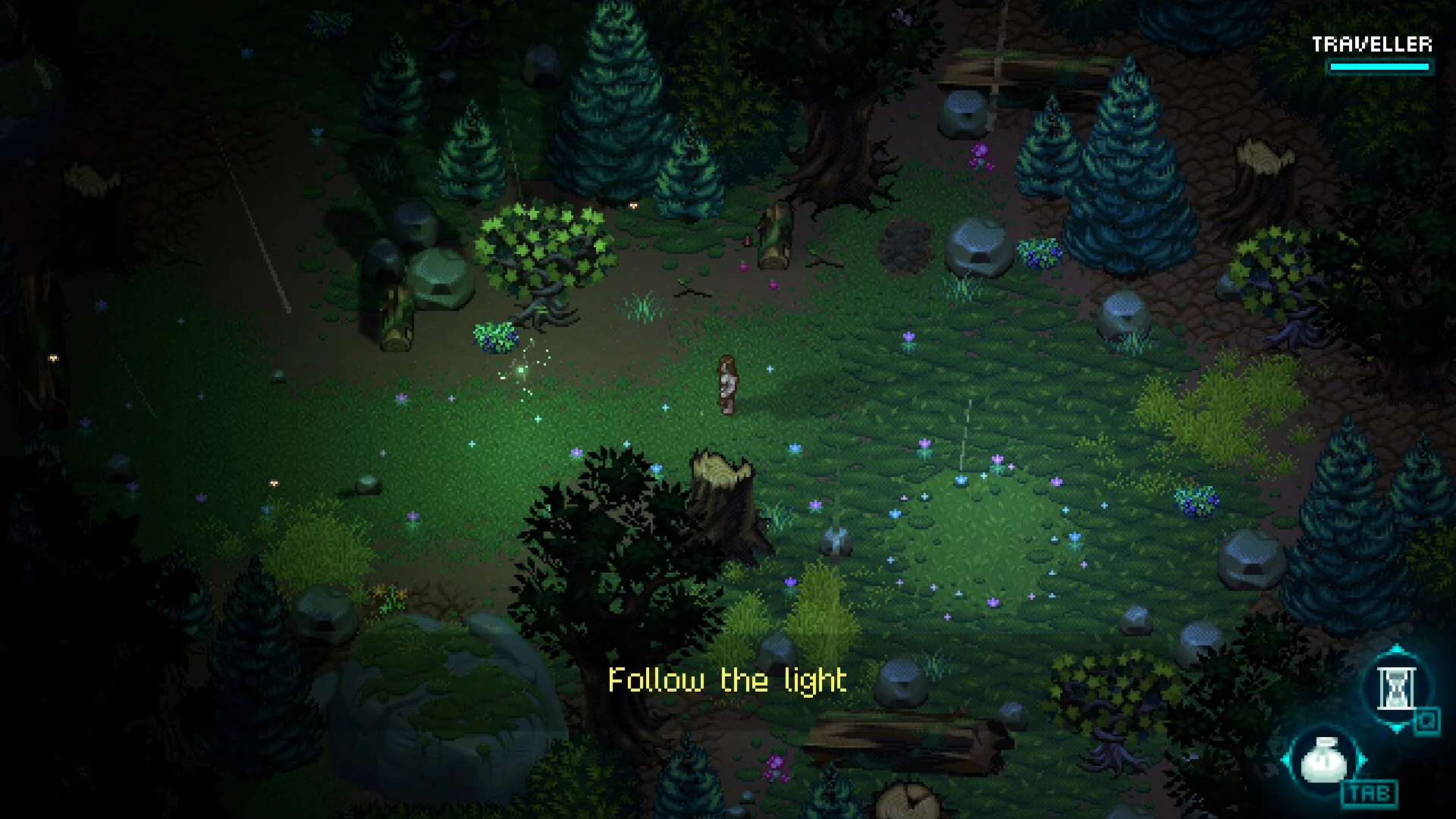
In World of Anterra, secrets are hidden in containers and behind breakable objects, and the official store description says you uncover the world's mysteries "by asking questions, interacting with the environment, reading books and exploring the world." The same description says you can sneak into crypts, caves and houses to find them. So the documented approach is not a single mechanic but a set of habits: look closely, talk to people, read what you find, and check anything that looks like it might open or fall apart.
Interacting With the Environment and Asking Questions
The store description lists asking questions and interacting with the environment alongside reading books and general exploration, and says this is how you learn about the history of magic and the ancient races. It does not explain how questions are asked in practice. The studio's site describes a retro-inspired dialogue system built for a more conversational experience with every character, noting that you can even type your own questions, according to The World of Anterra. Separately, the studio's itch.io page describes a non-linear story and quests that follow divergent paths, and a conversational dialogue system designed as an alternative to wordy linear dialogue, according to 81monkeys on itch.io. Neither source documents which questions the game recognises, so treat the exact scope of typed questioning as unconfirmed.
Looting Containers
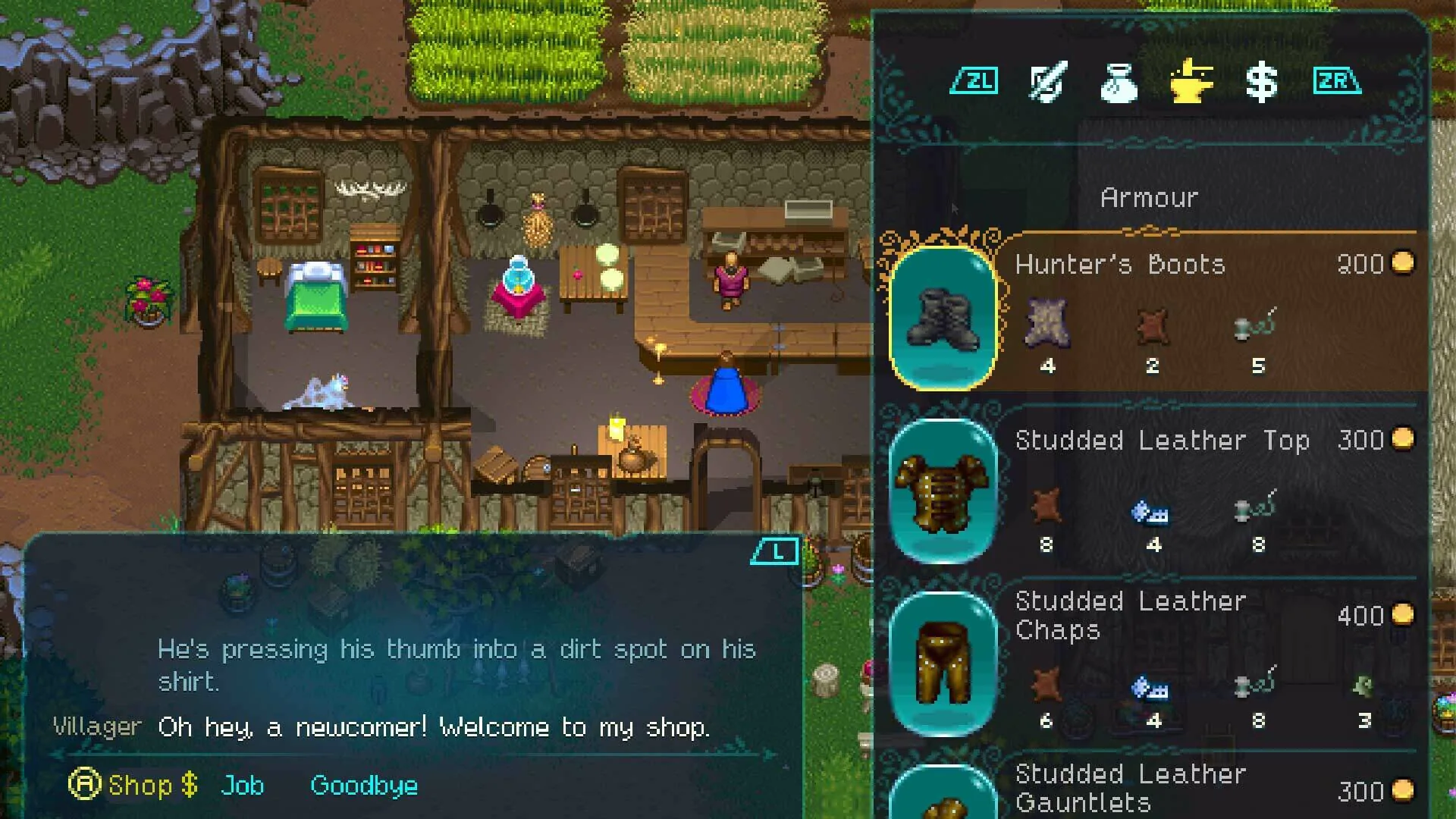
Containers are one of the two places the official description says secrets are hidden, the other being behind breakable objects. That is the extent of the official wording: it does not name container types, describe lock mechanics, list loot tables or give drop rates. Whether every container behaves the same way is not officially documented. What is documented is the intent behind the interface: the store description says the UI is designed to focus on tactile items and icons rather than menus and text, making it feel like part of the world. For a player, that suggests searching is meant to be done by looking at objects in the world rather than working through a menu.
Breaking What Stands in the Way
The second documented hiding place is behind breakable objects. Again, the official material does not specify which objects can be destroyed, what is needed to destroy them, or what you find. One related official detail comes from a Steam announcement about explosions, which describes a volatile substance used for mining in the Mancian Wastelands and found elsewhere in Anterra too, useful for "things like exploration or combat." The same announcement says fuses can be found, purchased or crafted. It does not state that this substance is required to break environmental objects, so any connection between the two is not officially confirmed.
Crypts, Caves and Houses
The official description names three kinds of place to sneak into: crypts, caves and houses. This fits the broader world the studio advertises. Its site describes oceans, continents, mountains, caves and dungeons to explore, plus NPCs who go to work, socialise, eat meals and pursue hobbies, according to The World of Anterra. The itch.io page makes the same point about NPCs following daily routines while responding dynamically to events in the world and to the player, according to 81monkeys on itch.io. Nothing in the official material explains how sneaking is handled mechanically, or whether entering a house uninvited has consequences. That is not officially documented.
Why This Feeds the Story
Searching is not only about what you find. The official description ties discovery to the non-linear story and quests: you learn about the history of magic and the ancient races through what you find and who you ask. Because the story branches, what you turn up while wandering may matter differently from one playthrough to the next. If you want to follow development, the Steam store page lists the game in the adventure, indie and RPG genres from developer and publisher 81monkeys, with single-player and co-op features, a release date of 2026 and no US price listed at the time of writing.
Related guides
Related Guides
World of Anterra Beginner Guide: Your First Steps
New to World of Anterra? See how non-linear quests, questions, books, party gear, resting and grid combat fit together in your first hours.
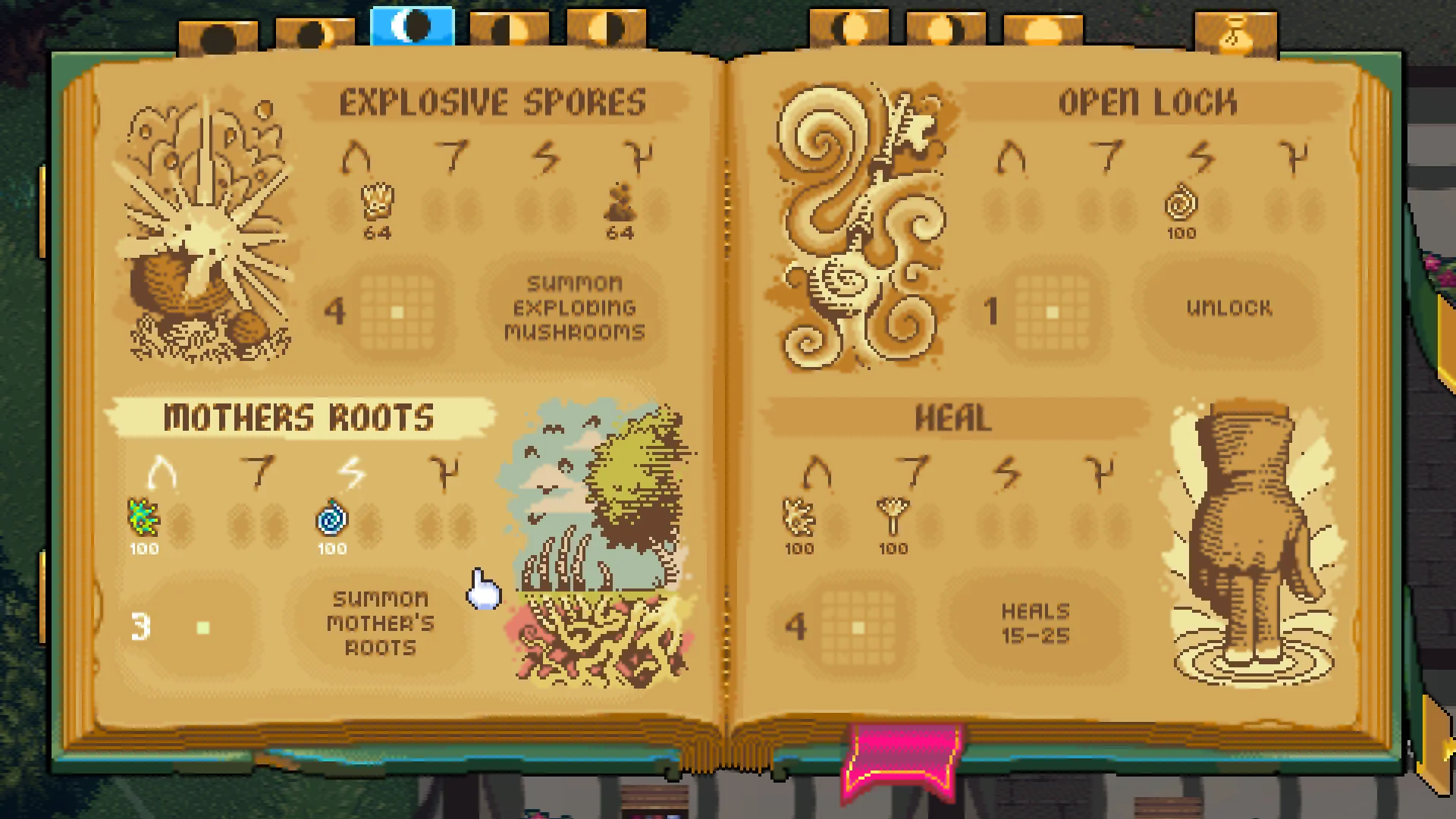
World of Anterra Boom Barrels and Fuses Explained
Boom barrels are a volatile Anterra substance used for mining. Learn where they appear, how fuses work, and how to use explosions safely in combat.
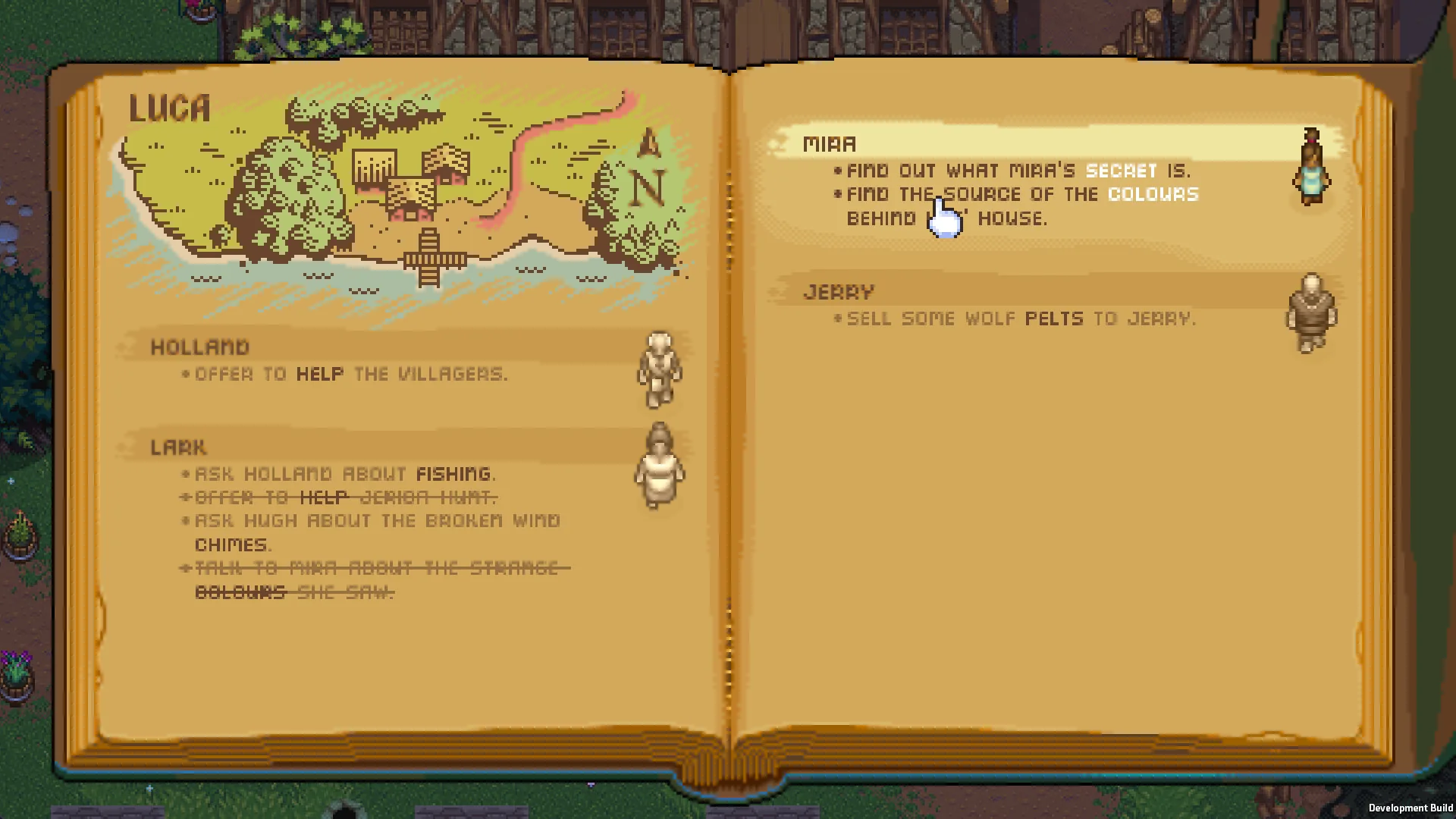
World of Anterra Combat: Grid Battles and Quick-Time Actions
World of Anterra combat blends grid-based strategy with quick-time actions. Learn how attacks, defence, magic, items and movement fit together.
Day-Night Cycles, Weather and Resting in World of Anterra
World of Anterra runs day-night cycles and dynamic weather under a real-time lighting engine. Learn how taverns, camps and resting fit into the world.